# Struggling to Grow Celery on Your Balcony? It’s Not Your Green Thumb, But Whether You Planted It Too Deep or Too Shallow! Let’s be honest, growing vegetables on the balcony sounds therapeutic, but in practice… there are times when you just want to throw the flower pot away. Celery, in particular, is tricky. Looking at those fresh, crisp bunches in the supermarket, you think, “I can do this too!” But after transplanting the seedlings, they either wilt like they’ve lost their vitality or rot at the core and die for no apparent reason. Frankly, don’t blame the soil, the lack of water, or even doubt if you’re a “plant killer” — the problem might lie in how you buried the seedlings: should you plant them a little deeper or a little shallower? Don’t rush to argue; let me explain. Celery may look tough, but it’s actually quite delicate. Its **“Achilles’ heel” is the tender core** — the tiny new bud right in the center. If your hand slips a little during transplanting and buries this core in the soil, it’s a disaster! When you water it, the soil becomes waterlogged and airless. At best, the core will mold; at worst, it will turn black and be completely ruined. This isn’t an exaggeration. A friend of mine once did this, and all the seedlings he worked so hard to grow died. In the end, he had to go to the vegetable market to buy celery and comfort himself: “Forget it, it’s easier to just buy ready-grown ones.”
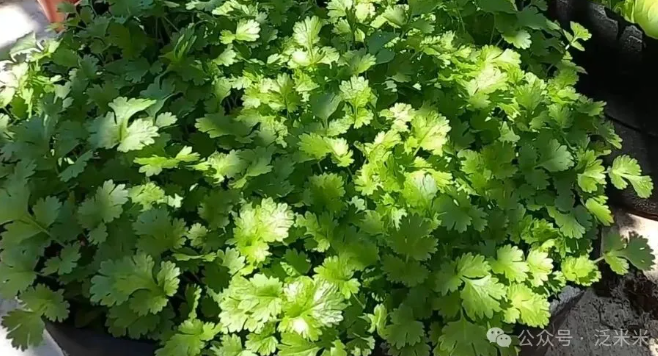
On the flip side, if you’re afraid of planting too deep and just stick the seedling into the soil casually without even covering the roots, that won’t work either. A gust of wind or a splash of water will make the seedlings topple over. With their roots exposed, they’ll dry out after just two hours in the sun. Even if they somehow don’t fall over, their ability to absorb water and nutrients will be terrible. The leaves that grow will be small and yellow — they’re not even good enough to stir-fry with meat, let alone use as decoration. So, how deep should you actually plant them? Both **experienced farmers and balcony gardeners agree on one rule**: planting them up to the base of the first petiole is just right. What does that mean? Look at the bottommost leaf of the celery seedling, find where it connects to the stem, and cover the soil up to that point. That’s roughly **1.5 to 2 centimeters deep** — a little more than the length of one knuckle on your finger. This way, you protect the growing point from rotting, while also letting the roots take hold firmly. The seedlings will breathe smoothly, get enough nutrients, recover quickly from transplant shock, and grow strong. By the way, don’t overlook a few small details before transplanting. First, **water the seedbed thoroughly before lifting the seedlings**, and transplant them with some of their original soil. This way, the roots will suffer less damage, and the survival rate will soar. Second, when planting, gently straighten the seedling and press the soil down slightly — don’t press hard! You might think you’re “laying a foundation” for it, but in reality, you’re breaking its roots. After planting, water it immediately with **root-setting water** — water it thoroughly, but don’t let water accumulate. Balcony flower pots should definitely have drainage holes; otherwise, root rot will set in in no time. In the first few days after planting, even if the autumn sun isn’t harsh, it’s a good idea to put up a sunshade net at noon or move the seedlings to a spot with diffused light for two days to let them recover. When you see new leaves starting to sprout, it means the seedlings have recovered. At this point, you can water them with some diluted organic liquid fertilizer, such as fermented rice water or soybean cake water. Apply **diluted fertilizer frequently**, and the celery will grow more and more vigorous. As a side note, celery is an umbelliferous vegetable — it’s related to coriander and fennel, and all of them prefer a **cool and moist environment**. That’s why planting in autumn is better than planting in spring. Especially in southern regions, the **golden window** for planting is from late September to mid-to-late October. If you’re just starting now, don’t panic. As long as the temperature is still between **15~25℃**, you can still grow good celery. Finally, let’s be real: growing vegetables is **70% experience and 30% luck**. But as long as you get the key steps right — like this “depth control” — your success rate will double immediately. Stop planting based on guesswork. Remember the old saying: “Plant celery skillfully, at just the right depth.” That pot of celery on your balcony this year might really end up on your dining table, with a taste of accomplishment! You know, the greatest joy of growing vegetables isn’t how much you harvest, but watching them grow day by day and feeling that little sense of pride that says, “I actually did this!” Even if you fail occasionally, don’t lose heart — after all, who hasn’t been “taught a lesson” by celery a few times?
欢迎关注微信公众号:泛米米的小菜园
12本阳台种菜电子书限时免费送
关注【泛米米的小菜园】,发送“电子书”免费获取
随时随地在手机上学习交流阳台种菜
这篇文章出自 fanmimi 如需转载请注明出处;
这篇文章的地址:https://www.fanmimi.com/2025/602.html
本站部分资源收集于网络,纯个人收藏,无商业用途,如有侵权请及时告知!
 随手丢到花盆里也可以种出丰收的豌豆!(转)
 种菜用什么盆健康无毒?2025 最新安全花盆推荐 + 避坑指南
 蔬菜采摘完菜根怎么处理?菜根可以留在土里当肥料吗
 辣椒叶也可以吃,含钙量有比牛奶还高
 放下手机,周末陪孩子种起来吧!一起在自家阳台上种“无公害”蔬菜
 20个辣椒种植过程中常见的问题及原因汇总,种辣椒必看
 种的西红柿如何防鸟防虫?西红柿只要一点点红就会被鸟啄个大洞
 阳台盆栽萝卜容易出现的问题和原因,如萝卜畸形、裂根、黑皮黑心等